A weekend party that actually feels easy doesn’t happen by accident. It’s the result of good timing, smart layout, and a handful of small decisions that stack up in your favor. I’ve coordinated everything from backyard birthday party bounce houses to full-blown neighborhood block parties with inflatable obstacle courses, food stations, and separate zones for toddlers and teens. The lessons repeat: book early, plan for power, give people a place to sit, and respect your space. Do those well and you’ll handle the rest on muscle memory.
Start with your yard, not your theme
Themes are fun and useful, but your site is the limiting factor. Measure first. A standard inflatable bounce castle often needs a 15 by 15 foot footprint with a minimum 16 to 18 foot overhead clearance. Water slide rentals vary widely, from 12 feet tall for backyard units to 20 feet or higher for statement pieces, which can double the safety perimeter you need. Side yards and sloped driveways sound tempting until you try to stake or sandbag securely on a grade. If the ground is off by more than an inch or two across the run of the inflatable, expect stability issues and unhappy installers.
Grass is ideal. It drains and accepts stakes, which are safer than sandbags in windy conditions. Turf can work if the rental company allows it, but confirm their policies on stakes and protection mats. Concrete and asphalt typically require heavy sandbagging and padding at the entry to prevent scuffs. Indoors is possible too. Indoor bounce house rentals are great for gymnasiums, big basements with high ceilings, or community centers. Expect to use sandbags and to confirm ceiling heights, doorway widths, and whether the route from loading area to setup spot includes tight turns.
The most common layout mistake is underestimating space for traffic and supervision. If the bounce house is wedged between a fence and a hedge, you’ll have a crowd bottleneck and no good way for adults to monitor entries. Give inflatables breathing room on all sides. I aim for a minimum of three feet clearance around compact units and more for slides, especially near ladder climbs and exits.
Choosing the right mix of inflatables
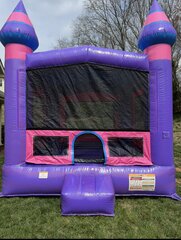
For most family parties, one inflatable won’t carry the day unless your guest list is small or your timeframe short. The trick is matching your crowd’s age range with capacity and play styles. For mixed ages, a combo bounce house rental earns its keep. It bundles bouncing with a short slide and sometimes a small obstacle lane, which keeps kids from forming a single long line. Plan on roughly six to eight kids rotating comfortably on a standard combo. If your invitation list includes a dozen kids in that 5 to 9 age band, one combo plus a separate toddler bounce house rental turns chaos into flow. The toddler unit has lower walls, gentler slopes, and fewer collision risks.
Teens and athletic kids love head-to-head action. Inflatable obstacle courses or two-lane inflatable slide rentals create natural challenges and clear lanes, which means faster throughput. A 30 to 40 foot obstacle course with dual lanes can move 150 to 200 riders an hour if managed. For birthdays with a competitive flair, I’ve set up a relay using cones and a timer app. Five minutes of explanation produced an hour of focused energy and smiles.
Water changes the entire mood. Water slide rentals are summer magic, but they come with the most logistics: hose access, drainage, traction mats, and a plan to keep soaked kids from tracking water into the house. If you’re not ready for full wet-and-wild, consider a dry inflatable slide with a padded landing. It delivers motion without mud.
Themed bounce house rentals matter more to younger kids and to photos. Superhero, unicorn, jungle, or sports themes lend cohesion to decor. If the choice is between a perfectly themed but smaller unit and a larger, plain one, prioritize size for groups above 12 kids. Play beats pictures when the line snakes across the lawn.
The timing blueprint that saves your Saturday
The best way to think about timing is to work backward from your target party start. Delivery crews prefer a large window so they can sequence routes efficiently. When possible, request drop-off two to three hours before guests arrive. That cushion covers traffic, site adjustments, and inflation checks, and it gives you time to stage concessions and seating. For pick-up, a one-hour buffer past your last guest’s departure is reasonable. If you know your crew skews late-night, choose the overnight option if offered, then confirm power and noise considerations with neighbors.
I like a three-act party flow. The first 30 to 45 minutes are calm arrivals and snacks, no inflatables yet, which builds suspense and reduces the stampede effect. The middle 90 minutes are the high-energy window when party inflatables do the heavy lifting. The final 30 minutes taper to sweets, photos, and low-key games like ring toss or giant Jenga near the seating area. This structure keeps sugar and adrenaline from hitting at the same time.
If you expect heat, plan a water or shaded activity for mid-party. In hotter climates, schedule water slide rentals earlier or later in the day to avoid peak sun. I’ve had good luck anchoring shade sails to fence posts and using 10 by 10 canopies near the inflatable exits, not over the inflatable, which can trap heat.
Power and safety, the two non-negotiables
Every blower wants a dedicated circuit. Most standard inflatables run on one 1 to 1.5 horsepower blower, drawing around 7 to 12 amps. Larger slides or obstacle courses may need two blowers. This is where homeowners get tripped up. The fridge, outdoor string lights, and your bounce blower on the same circuit is a guaranteed breaker trip when someone starts the blender. Ask your provider how many blowers your units require. Map your circuits or run safe gauge extension cords from separate exterior outlets. Keep cords on the perimeter, taped or covered with cable ramps if they cross footpaths.
Wind is the other variable. Reputable companies have wind policies, often pausing operation at sustained winds around 15 to 20 mph with higher gust thresholds. If the weather looks dicey, choose heavier stakes on grass or more sandbags on hard surfaces. Never loosen anchoring to “move things a little.” A foot of convenience is not worth a safety risk.
Assign a friendly adult to each entry point. You don’t need a whistle, but you do need eyes. Simple rules prevent the majority of injuries: no flips, similar size riders together, and one at a time down slides. Food stays out, shoes come off, jewelry and sharp hair accessories removed. Most providers include rules signage. Put it where parents and kids can see it, not hidden behind a hedge.
Concession strategy without the sticky mess
Concessions turn a backyard gathering into an event, but the logistics matter. Popcorn, cotton candy, and shaved ice are the usual headliners in party equipment rentals. Each has quirks. Popcorn smells fantastic and draws a crowd. Place the machine upwind from seating to avoid popping hulls in drinks, and budget 4 to 6 ounces per person over two hours, less if you have a meal. Cotton candy is high drama and high mess. Humid days make floss sag and stick; keep the machine under a canopy and set a “one cone per kid per line pass” rhythm so the operator stays sane. Shaved ice is the best hot-day crowd pleaser. It needs plenty of ice and flavor pumps. I set the syrup station away from the ice and within reach of a trash can for spent cups.
Keep concessions away from inflatable entrances by at least 15 feet. Sugar plus bounce equals sticky vinyl and ant magnets. If you want a festival feel, create a mini midway with a ticket table at one end. Adults enjoy having one predictable location for snacks, and you’ll reduce the wandering wave of kids carrying food across the lawn.
Hydration matters more than you think. A simple ice chest with water and a marker for writing names on cups reduces lost cup chaos. For adult-heavy gatherings, a separate beverage station keeps lines from colliding with the kids’ concessions.
Seating that supports conversation and supervision
Seating solves two problems at once: comfort and oversight. Adults linger when they have a seat and a sightline. Face chairs toward the play area and keep a table close for phones, sunscreen, and napkins. In small yards, resist the urge to ring the inflatables with chairs. Create one or two zones instead, one near concessions and another tucked along a fence line with good visibility.
Folding tables and chairs are the backbone of party equipment rentals. For a group of 20 to 30 guests, two 6-foot tables for food and gifts, one 6-foot for beverages, and seating for roughly two-thirds of your expected adult count hits the sweet spot. Kids rarely sit for long, so smaller bistro-height tables for snacks help more than a full seated arrangement they won’t use.
Weather adds complexity. Lightweight canopies help, yet wind requires weighting at each leg. Weights of 20 to 30 pounds per leg are a practical baseline. Umbrellas can work, but they need stable bases and shouldn’t be near inflatables where gusts can push them over. If you have trees, shade their drip lines with blankets or outdoor rugs and low tables, creating a picnic micro-zone for obstacle course for kids parties families with toddlers.
Flow, lines, and the art of keeping kids busy
The line is where parties die. It’s not the waiting, it’s what happens while kids wait. Build micro-activities for the queue: ring toss sets, bubble machines, sidewalk chalk, or a hula hoop zone. Keep these within the supervised area but not blocking entrances. For obstacle courses, I like a simple laminated run card with two suggested routes, easy and advanced, so kids strategize while they wait. It cuts down on mid-course logjams.
For larger parties, assign time blocks by age band during the first hour. It sounds strict but reads as thoughtful. Younger kids get the bounce house while older kids warm up with yard games, then swap. Once the initial surge passes, open free play. If you have a DJ or a good playlist, slide a three-song dance break into the middle of the party. It resets energy and gives operators a minute to clear the unit and check anchors.
Weather planning that respects your budget
Rain is not necessarily a show-stopper, but heavy rain and lightning are. Most rental contracts address weather in their terms. Ask candidly about cancellation and reschedule options when you book. Some providers offer rain checks with 24 to 48 hours notice. If you’re within that window and storms are likely, make the call early. If light rain is possible, select units with covered tops and ensure you have non-slip mats at exits. Towels on standby are your best friend. For water slide rentals, light rain often bothers adults more than kids. Just watch footing on grass and monitor wind.
Heat and sun deserve the same attention. Vinyl gets hot. Dark-themed units absorb more heat. If you expect full sun, prioritize lighter colors or set up shade where kids exit. Rotate shoes into a shady spot so bare feet don’t land on hot soles when kids dismount. Keep sunscreen on a side table and recruit a volunteer to do a round every hour to remind parents.
Working with your rental company like a partner
Good vendors make your day easier, plain and simple. You’ll notice it first during the site check questions. They will ask about access gates, slopes, power, and surface types. They’ll want photos. If a company doesn’t ask, volunteer the details. It allows them to bring the right stakes, extension cords, and mats for your setup. For inflatable rentals, I’ve had crews suggest better placements that I wouldn’t have considered, like swapping a slide and a concession so wind didn’t blow sugar threads toward the blower intake.
Be clear about your schedule and your neighborhood’s expectations. Early-morning setup can be loud. If you have quiet hours, ask for a later drop or the day-before delivery option. Tip crews when they go the extra mile to protect landscaping, coil cords neatly, or level a unit with pads rather than taking shortcuts. You’ll remember their names next season.
Budgeting without guessing
You can plan a solid party on a modest budget, and you can also spend as much as a wedding if you treat every add-on as essential. Start by anchoring your spend on the main attraction. A basic bounce house rental might run you a few hundred dollars for a day, while larger inflatable slide rentals and multi-piece inflatable obstacle courses climb from there. Combine thoughtfully. One larger unit that serves a wide age range often beats two smaller ones that split the crowd but complicate supervision.
Concessions are tempting because per-unit costs look low. The total creeps when you add supplies, extra power, and an operator. If budget is tight, pick a single star concession and do it well. Popcorn plus chilled fruit skewers can carry a party just fine. Themed bounce house rentals look great but usually come at a small premium compared to generic designs. If the theme matters to your child, lean in on the main unit and keep decor simple elsewhere.
Don’t forget delivery fees and taxes. If the company charges by mileage or by time window, plan your window to fit their standard route. Ask about weekday or Sunday discounts if your schedule allows. Many providers have off-peak rates they won’t advertise unless you ask.
Indoor parties: when the lawn won’t cooperate
Winter birthdays, apartment living, or HOA restrictions don’t mean you’re stuck with board games. Indoor bounce house rentals can transform a community room or gym, but success hinges on measurements and noise tolerance. Measure doorways, hallways, and elevator dimensions, not just the event space. Blowers have a hum most people tune out, yet in tight spaces it can become a drone. Soft flooring helps: gym mats under entrances protect floors and reduce echo from footfalls. Choose compact combos and toddler units that use lower blower output and shorter heights.
For concessions indoors, pick low-mess options. Popcorn is manageable with lids on bins. Cotton candy’s sugar floss travels in HVAC currents, which is a nightmare to clean. Shaved ice is safe but drippy. Place mats and keep a wet/dry vac handy if your venue permits. Above all, get venue approval for every device that uses heat or steam.
Menu and timing that won’t fight the fun
Kids never eat on schedule when something more exciting is five yards away. That doesn’t mean you should starve them into tantrums. Serve small, frequent, hand-friendly items. Sliders, fruit cups, pretzel bites, and veggie sticks with a simple dip run laps around saucy wings that destroy napkins. If you serve a meal, time it for the lull between your play window and cake. Announce five-minute warnings for transitions so kids don’t feel yanked from the slide to a chair.
Dessert placement matters. Don’t stage the cake table next to the entrance to the inflatable. It turns into a sugar magnet and a collision point. I like the gift table along a fence line with the cake behind it, away from traffic. When it’s time to sing, the crowd naturally tucks into that corner, then disperses in a calmer wave.
Cleanliness and teardown without headaches
A clean exit is the difference between feeling triumphant and feeling like a short-order janitor. As you near the end of play, ask the operator to pause entries for a five-minute sweep. Kids retrieve socks, and you check that no toys or utensils have slipped under flaps. Wipe down sticky spots on entrances with a slightly damp cloth. Most rental companies will do a full clean later, but a quick wipe prevents ants and keeps your photos from featuring mystery smudges.
For concessions, pre-portion dry goods and label the bin lids so teardown is snap-and-stack. Keep a couple contractor bags ready for bulky trash, and a separate bag for recyclables. Fold tables while they’re still clean, then break down chairs. If your vendor handles pickup, stage items near the access point so crews aren’t trekking across the yard at dusk.
A sample party plan you can actually use
Here is a compact framework you can adapt. It works for about 20 to 30 guests with mixed ages and one to two inflatables.
- Two hours pre-party: Delivery and setup. Walk the crew through power and placement, test blowers, check stakes or sandbags, and lay exit mats. Stage concession supplies and fill coolers. Thirty minutes pre-party: Open concessions for light snacks and drinks, but keep inflatables off to build anticipation. Do a quick yard scan for trip hazards. Start to 45 minutes: Welcome window. Name tags for younger kids if you want. Invite everyone to the seating zone and point out rules signage. Forty-five to 135 minutes: Open inflatables. If using two, designate age bands or run concurrent but split lines. Slot in a three-song dance break at the 75 minute mark. Keep hydration moving. Final 30 minutes: Pause inflatables for cake and photos. Hand out party favors if you have them. Reopen for free play depending on pick-up time.
Year-over-year improvements worth keeping
After every event, jot down three notes. How many kids actually showed up? Which activity had the longest line? What concession ran out first? Patterns emerge. Maybe 12 by 12 is too small for your friend group, or maybe the toddler bounce house sat half empty because the toddler cohort napped through the party. Adjust the next rental accordingly. Some families find that a single large combo plus lawn games beats two separate inflatables. Others realize their yard drains toward the patio and commit to a different placement or a dry-only setup after a soggy experience.
Relationships with reliable vendors pay dividends. The crew that watched you build a traffic plan last year will arrive this year already knowing where power is, which gate sticks, and how to protect the flowerbed you care about. They’ll also tell you honestly when a giant water slide is too ambitious for your space, saving you stress and refunds.
Final thoughts from the field
When you break a party down to its essentials, you are managing energy, time, and comfort. Party inflatables handle energy brilliantly, but they shine when supported by good concessions and intentional seating. Kids party rentals like inflatable bounce castles, combo units, and inflatable slide rentals are tools, not just toys. They work best when you choose them for your crowd, your yard, and your weather, not just for their photo appeal.
Give yourself a simple plan, confirm power and safety, and think like a host who wants to enjoy the day as much as the guests. That usually means one fewer activity than you think you need, and one more chair than you planned. If you do that, your weekend party stops being a juggling act and turns into something simpler: people having a good time, moving easily through a space that makes sense. And you, actually present for it, not sprinting from breaker panel to popcorn machine.