The first time I watched a pack of kindergarteners pile into a bouncy house, I understood two things at once: this is pure joy, and this needs structure. Inflatables for kids can turn an ordinary backyard into a small festival. A bounce house rental brings an easy focal point for a party. A water slide rental cools off a scorching Saturday. An inflatable obstacle course can carry a field day on its back. They are safe when you match the setup, supervision, and rules to the kids using them. That last part is where people get tripped up.
I’ve managed school carnivals, neighborhood block parties, and more birthday gatherings than I can count. The same patterns show up each time. The kids are fine when the adults stick to a few non-negotiables, and close calls happen when those adults get distracted, stretch capacity, or improvise with equipment they don’t fully understand. Here is how to keep the fun high and the risk low, with the specifics you need whether you’re handling a basic bouncy house or a complex water slide.
What goes wrong and how to prevent it
Most incidents fall into predictable categories. Falls out of the doorway or off open sides. Collision injuries from mixed ages, mixed sizes, or overcapacity. Equipment shift because the wind picked up or the anchors were skimpy. Slips on slick vinyl around a waterslide splash zone. None of these require fancy fixes, only discipline and a little forethought.
Distance matters. I like a minimum five feet of clear space on all sides of a bounce house, more if there’s a tall slide or a wide obstacle course. That buffer reduces the chance that a kid catapults into a fencepost or patio edge. Indoors, look up as well. Give yourself unobstructed ceiling clearance, including light fixtures and ducts. Vinyl leans when kids climb, and that arch can reach higher than you expect.
Capacity is not an opinion. Every inflatable has a tag listing the maximum number of users and weight guidelines, usually broken down by age or height. If the tag or the rental paperwork is missing, assume a lower capacity than your gut says. For a typical 13-by-13 bounce house, I plan for six to eight small children at once or three to four preteens. On a waterslide, think in singles, never pairs, with one child on the steps and one sliding, then the next steps up only after the landing zone is clear.
Choosing the right inflatable for your group
Good fit reduces friction. A themed bounce house with a low threshold fits preschool birthdays where parents are still in that hover mode. Older kids chew through a basic bouncer in minutes, but a medium inflatable obstacle course or an inflatable games combo unit with a slide and a climbing wall will keep them spread out and engaged. If the guest list runs from toddlers to teenagers, consider two units instead of one. A small bouncy house for the littles and a separate waterslide or obstacle course for the bigger kids helps you enforce age and size separation without constant arguments at the door.
Themes matter less to safety than features, but they do influence behavior. A superhero themed bounce house tends to inspire wrestling moves. A princess castle draws more pretend play. None of that is a problem if your rules are clear. Pick what excites your child and plan your supervision around the energy that theme invites.
Site selection and ground prep that pays off later
A level footprint is the start, not the finish. Grass is forgiving and keeps temperatures down, but mud becomes a skating rink. Concrete is great for stability as long as you use quality sandbags at every anchor point and consider foam mats at the entrance. On turf, staking beats sandbags unless you have underground utilities at risk. When staking, use heavy steel stakes the rental company provides, typically 18 inches long, driven at an angle, and seat them fully so metal does not protrude where little feet land.
Mind the wind corridor between buildings. A narrow side yard can funnel a mild breeze into gusts that push a tall waterslide like a sail. If you must set there, use extra ballast, and be stricter on wind cutoffs. Keep the blower on a dry, stable surface with the intake clear of leaves and plastic bags. I have watched a grocery sack starve a blower in thirty seconds.
For water slide setups, map water flow before the first child climbs. Run the garden hose along the edge of the yard secured with landscape staples. Direct splash-out away from walkways. Lay down rubber mats or old towels at the exit pool. Pooling around the ladder turns steps into a fall zone, so divert that path with one or two shallow trenches in the lawn or a line of absorbent mats.
From power to pressure: equipment checks that actually matter
Before anyone goes inside, treat the inflatable like a piece of equipment. The blower should match the unit’s specs, typically one to two horsepower for a standard bounce house and more for large slides. Use a grounded outdoor extension cord rated for the amperage with no frays. Keep the connection dry and elevated on a brick or cord reel. A GFCI outlet is not optional around water. If yours trips repeatedly, call the rental company instead of bypassing it.
Walk the seams. Look for stitching that gapes more than a finger’s width, patches peeling up, or zippers that will not fully close at the rear air dumps. Minor airflow through the seams is normal, constant hissing is part of how these stay inflated, but a tear that grows as kids jump deserves attention. Feel the tethers. Good tension at each anchor prevents swaying. If a tether loosens during play, pause and reset it, even if that costs you five minutes with a line of eager faces.
Pressure is a feel. A properly inflated bounce house has spring but not sag. If the entrance step sags to the ground when a child sits, you are losing pressure. Check zippers and intake, then check the power. For a waterslide, the top platform should stand true with no wobble when you put your weight on the ladder. Wobble means the base is underinflated or the anchors are weak.
Smart rules kids will actually follow
Post your rules, then repeat them at the door in kid language. I keep it short and specific. Socks on for dry inflatables, no shoes inside, no roughhousing, no flips, and no food or gum. On water slide rentals, swimsuits only, no jewelry, one at a time on the ladder and on the slide, feet first, no stopping midway. Make eye contact, ask them to repeat one rule back to you, then send them in. That little ritual does more than a laminated sign.
Age and size separation make the largest safety difference. Keep toddlers and small kids in their own sessions. If the party mixes ages, run short rotations. Ten minutes for under six, then ten minutes for older kids, back and forth. You will feel like an air traffic controller, but you will avoid the big kid landing on the little one’s ankle that turns into a sprain and a long afternoon.
Supervision, the unglamorous hero of every good party
One adult who is not multitasking should monitor each inflatable. Not someone grilling, not someone managing gift bags, and not a teenager stuck on a phone. The best monitor stands at the entrance to a bounce house and makes eye decisions. You, you, and you may go in. You wait. That same person counts heads, enforces the slide queue, and stops play when horseplay crosses the line. Trade shifts every 20 to 30 minutes so no one burns out.
Set a whistle or a bell cue before kids arrive. A sharp sound cuts through laughter and music, and you will need it for quick pauses. Use it for wind checks, rule resets, and water breaks. It keeps you from yelling, and kids respond to routine signals better than sudden scolding.
Weather judgment is half the job
Wind is the big one. Manufacturers and rental companies publish a maximum wind speed, commonly in the 15 to 20 mph range. I treat 15 mph sustained as my red light for a standard bounce house and 12 to 15 for tall slides. Gusts are the real antagonist. If the trees are swaying and your hat wants to leave your head, bring the kids out. You can feel the shift as vinyl starts to ripple and tethers hum. Deflate early, not after a scare.
Rain itself is less of a problem than slick surfaces and electricity. Dry inflatables become skating rinks in a shower. Water slides become faster and usually more fun, but thunder changes the picture. If you hear thunder or see lightning, stop immediately. Unplug the blower only after everyone is out, then cover the blower and electrical connections with a plastic bin or tarp to keep them dry until the storm passes. When you restart, towel off the entrances and steps, walk the area for mud patches, and resume gradually.
Heat creeps up on kids. Vinyl absorbs sun and can get hot enough to surprise small hands and feet. Shade helps if you can orient the entrance away from direct afternoon light. Short rotations and a water table nearby keep kids from overheating. Remind them to drink, not just splash.
Water slide specifics that most people miss
The thrill is the speed, but speed magnifies every small error. The water flow trick should be enough to keep the surface slick without filling the landing pool to the brim. Adjust the hose until the fabric glistens, not streams. Too much water builds splash-out, saps traction on the ladder, and creates silt that clogs the pool filter in portable units.
Teach the line to wait until you call clear. The previous rider’s legs should be out of the landing zone before the next climbs the ladder, not just before they slide. That spacing builds a rhythm that cuts collisions to almost zero. If you notice kids twisting to slide sideways, pause and remind them to sit, cross their arms, and keep legs forward.
Check the seams and anchor points on tall slides every hour. The ladder takes pounding. Tethers can work loose as kids torque the structure during climbs. A two-minute retighten is the cheapest insurance you have.
Inflatable obstacle course dynamics
Obstacle courses keep a steady flow of motion, and that rhythm is part of their safety. Two runners enter, staggered by a few seconds. They race, crawl, climb, and slide out. The fun comes from speed, but speed loses its charm when five kids pile at the squeeze tunnel. Space your starts. If you hear a cluster forming inside, stop the line and let the interior clear.
Obstacles have pinch points. Squeeze walls grab shirts and necklaces. Ask kids to tuck in loose clothing and remove dangling items before they start. Remind them to lead with hands through the tunnels and to take the top platform one child at a time. The loudest cheers happen at the final slide, and that energy can overwhelm the landing zone. Position your monitor there to wave kids left or right as they exit to keep the path open.
Hygiene, footwear, and the not-so-glamorous cleanup
Shoes off, socks on for dry inflatables is not just about cleanliness. Socks prevent friction burns that bare feet can pick up on warm vinyl. On water slides, bare feet are fine, but check for anklets and toe rings that can snag. Food and drinks near the entrance are a fast way to invite bees and slick patches. Keep snacks at least ten feet away and put a trash can where kids naturally drift after exiting.
If a child has a nosebleed or a diaper leak, close the unit. A towel and an enzyme-based cleaner made for vinyl handle most problems. Ask your rental provider for their policy and kit. Many companies include a cleanup guide. Do not use bleach on colored vinyl. It damages seams and can void a rental agreement.
When you rent versus when you buy
A bounce house rental or water slide rental makes sense for most families. You get commercial-grade gear, insurance coverage from the operator, and trained setup. If you host several large kid events a year, buying can tempt you. Consumer-grade inflatables are lighter and cheaper, and they do the job for small groups and gentle use. The trade-off is less durable vinyl, lower capacity, and more maintenance on your shoulders. A commercial unit is heavier, requires more robust power and anchoring, and usually needs a trailer or large SUV to move. If you buy, store it dry. Mildew sneaks in fast and wrecks stitching.
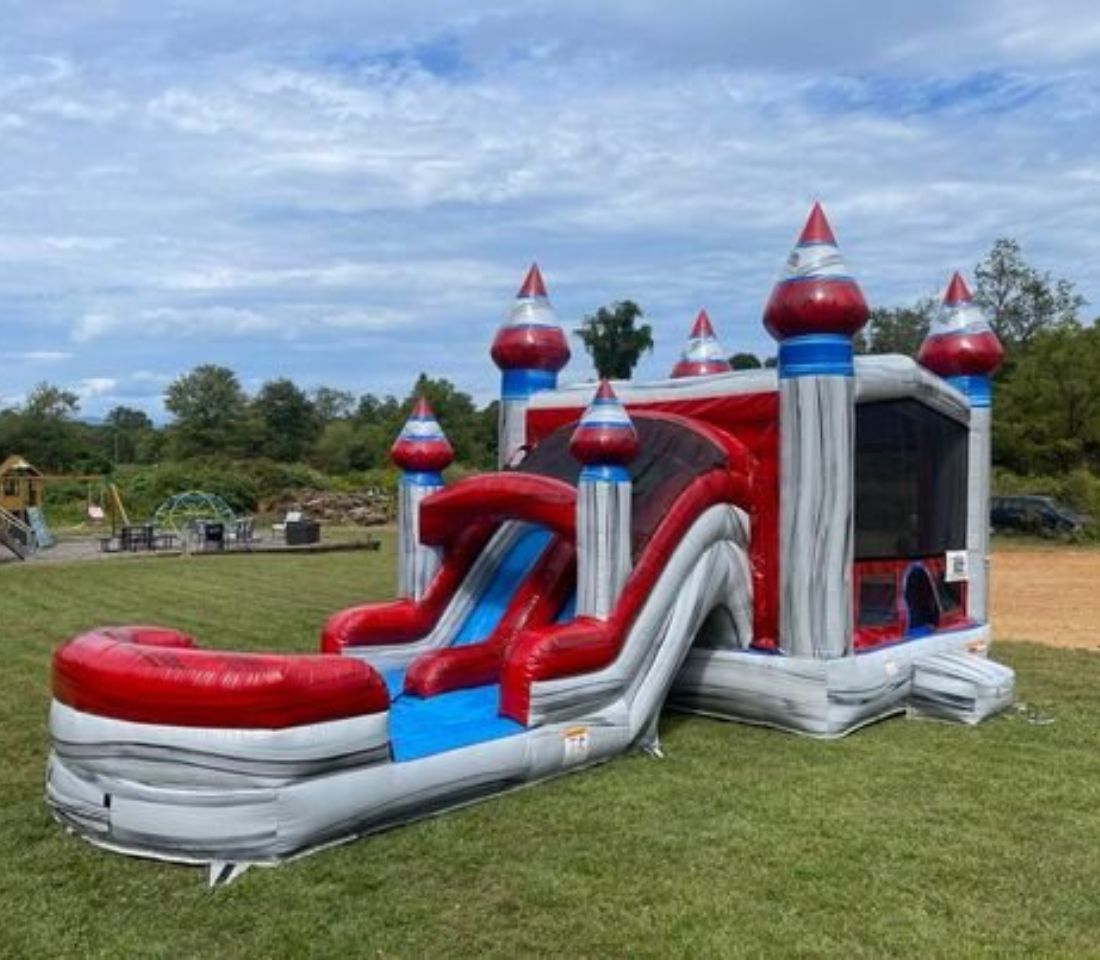
When evaluating a rental company, ask about their inspection routine, anchoring methods, and wind policy. A pro will talk comfortably about stake length, GFCI, and capacity. If they seem vague about setup or shrug off weather limits, move on. Good operators will gladly walk the site with you and tell you no if safety is marginal.
Communicating expectations with parents and kids
A five-minute huddle at the start saves you fifty small corrections later. Gather the kids, introduce the inflatable, state the top rules in simple terms, and explain how the line works. Then pull the adults aside for a quick note: one monitor per unit, no crowding at entrances, and please back us up on age separation. Parents appreciate clarity. It turns them into allies instead of hecklers when their child gets asked to wait.
For mixed-age parties, I sometimes set color wristbands. Green goes on the youngest group, yellow for the middle, blue for the big kids. Then I run popular jump houses timed blocks. A kitchen timer on your phone keeps you honest. The bands are not essential, but they keep the rotation debate short.
Handling minor injuries and the rare emergency
Even with perfect supervision, you will see a skinned knee or a bumped head. Have a small kit at the ready: adhesive bandages, alcohol wipes, instant cold packs, and a roll of cohesive bandage. If someone hits their head hard or seems dazed, pull them out, sit them in the shade, and check for nausea or confusion. Err on the side of caution. A cold pack can do wonders for an ankle twist, but if a child cannot bear weight after a few minutes, call it and notify the parent.
If the inflatable loses air suddenly, say from a power trip, shout for everyone to stop and head to the exit. Vinyl deflates slower than people imagine, usually giving you time to walk out calmly. That calm voice matters. Restore power only after you inspect for the cause. If wind is rising, leave it deflated and pivot to yard games.
Seasonal considerations and local rules
Summer heat and longer daylight hours trick people into loose oversight. Build shade into your site plan. A pop-up canopy near the entrance gives you a cool place for kids to wait. In early spring and fall, ground moisture and shorter days mean dew settles sooner, and vinyl gets slick late in the afternoon. Adjust your schedule accordingly.
Some cities require permits for inflatables in public parks or mandate that rental companies carry certain insurance. Parks may also restrict staking to protect irrigation lines. If you are planning a party outside your own yard, call the parks department a week in advance. A little paperwork beats a ranger shutting you down mid-party.
When themed bounce houses and inflatable games add more than looks
Themed bounce houses do more than decorate. They set the tone. Pirate ship? Expect sword play. Space adventure? Expect chase sequences. Lean into it with small rules: no pretend weapons inside, story-based games outside. Inflatable games like basketball tosses or soccer darts are great for kids who prefer aiming over bouncing. They also provide lower-risk stations that break up the crowd around the main unit. If you have the budget, pair a bouncy house with one skill game. It reduces congestion and keeps kids with different energy levels engaged.
Cleaning and teardown without chaos
End the session with the same structure you started. Call for last turns, whistle once, and close the entrance. Once the inflatable is empty, unplug the blower and open the rear zippers. As it deflates, walk the surface to push out air and smooth wrinkles. Wipe muddy spots with a damp cloth and mild soap. Dry the entrance and interior as best you can before roll-up to prevent mildew. If you rented, most companies handle teardown, but a quick pre-wipe and trash pick-up makes their job easier and keeps your lawn from turning into a patchwork of muddy footprints.
If you own the unit, roll tightly, strap both ends, and store it on a pallet, not directly on the garage floor where condensation sneaks in. Label cords and tethers so you do not hunt for them next time.
A practical pre-party checklist
- Walk the site for level ground, clearance, and wind exposure. Mark a five-foot safety perimeter on all sides. Verify power and water: grounded GFCI outlet, heavy-duty cord off the ground, hose path secured and splash-out directed. Confirm equipment: correct blower, intact seams, tight tethers, capacity tag readable, entrance mat in place. Assign roles: one dedicated monitor per unit, rotation plan for mixed ages, whistle or bell for quick pauses. Stock safety: first aid kit, towels, enzyme cleaner for messes, trash can near but not at the entrance.
The balance to aim for
The best parties I have worked share a common feel. Kids run hard, laugh loud, and follow simple rules because adults keep the frame steady. A well-placed bounce house becomes a safe stage for that energy. A water slide turns August into something everyone can stand. An inflatable obstacle course challenges without putting elbows and knees on a collision course. None of this requires special expertise, only respect for the equipment and the patience to hold a few lines.
If you rent, pick a company that talks safety as readily as themes. If you buy, treat your inflatable like the tool it is, not just a toy. Keep the crowd size right, the ages matched, and a watchful pair of eyes on the entrance. Do those things, and your bouncy house will stay a highlight instead of a headline.